The Science Behind Asphalt
Asphalt, frequently employed in driveways and roads across Auckland, is a composite material made from aggregates such as crushed stone, sand, and bitumen. Its flexible nature and durability, owing to its thermoplastic properties, make it an excellent choice for construction. However, this flexibility also poses challenges when it comes to asphalt cutting, requiring precise equipment and techniques.
DIY Asphalt Cutting: What You Need to Know
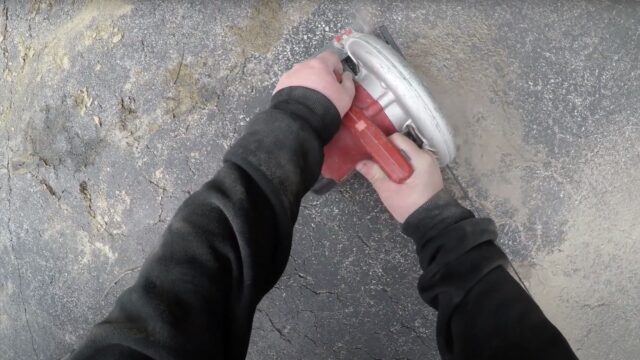
- Equipment: At the heart of any asphalt cutting project is the equipment. For DIY enthusiasts, this means investing in or renting power saws, ideally with diamond-tipped blades for enhanced precision.
- Safety Precautions: Cutting asphalt generates dust and silica particles, necessitating the use of safety goggles, masks, and gloves. Additionally, the noise from cutting equipment can be harmful, so ear protection is essential.
- Precision and Patience: Asphalt, due to its composition, can be somewhat unpredictable to cut, especially if one isn’t accustomed to its properties. Ensuring straight, clean cuts requires a steady hand and a great deal of patience.
Professional Expertise: Advantages and Insights
- Experience Matters: Professionals bring with them a wealth of experience, ensuring that the cuts are precise, straight, and consistent, something that can be challenging for a DIY enthusiast to achieve.
- Advanced Techniques: In the professional realm, newer methods like cold milling, which removes asphalt layers without affecting the base, are often employed for larger projects, offering efficiency and precision that typical DIY methods can’t match.
- Comprehensive Safety Measures: Professionals not only have the equipment but also adhere to strict safety standards, reducing the risk of accidents or mishaps.
Auckland Council Bylaws and Regional Constraints
Certain Auckland suburbs and regional councils have specific bylaws and codes that impact asphalt cutting, especially concerning depth, noise levels, and waste disposal.
- Grey Lynn and Ponsonby Restrictions: For residents of Grey Lynn and Ponsonby, it’s crucial to be aware of specific bylaws related to construction noise and hours of operation. These regulations aim to minimise disturbance in residential areas and ensure the safety and convenience of all residents.
- Waste Management: Asphalt remnants must be disposed of following Auckland council guidelines, which dictate specific sites for disposal to ensure environmentally friendly practices.
Comparative Analysis: DIY vs Professional Asphalt Cutting
| Criteria | DIY | Professional |
| Initial Cost | Potentially high (equipment purchase/rental) | Quoted fee (includes equipment, labour, etc.) |
| Safety | Depends on user’s knowledge | High standards with professional equipment |
| Precision | Variable | Consistently high with experienced handling |
| Time Efficiency | Can be lengthy (based on user’s skill level) | Typically faster due to experience and equipment |
| Regulation Adherence | Requires self-research and adherence | Knowledge of, and adherence to, all local bylaws |
In Auckland, asphalt cutting, whether for home renovation or larger construction projects, requires a combination of technical know-how, the right equipment, and adherence to local bylaws. While DIY might offer a sense of accomplishment, the expertise and efficiency that professionals bring to the table are undeniable. Before making a decision, weigh the pros and cons and consider the specific needs of your project.
Frequently Asked Questions on Asphalt Cutting in Auckland
What is the composition of asphalt?
Asphalt is primarily a mixture of crushed stone, sand, and bitumen, which together provide its flexibility and durability.
Why is asphalt cutting challenging for beginners?
Due to its thermoplastic properties and varying hardness depending on temperature, asphalt can behave unpredictably when cut, requiring a steady hand and understanding of its properties.
Is there a specific time of day best for asphalt cutting in Auckland?
It’s recommended to cut asphalt during cooler parts of the day to prevent the bitumen from becoming too soft. However, always consider local bylaws, especially in suburbs like Grey Lynn and Ponsonby, regarding construction hours.
What type of blade is recommended for asphalt cutting?
Diamond-tipped blades are ideal due to their precision and durability when cutting through asphalt.
Do I need special permissions from Auckland Council to cut asphalt on my property?
While you might not need permission for minor repairs, major renovations or changes can require council approval, especially considering local bylaws and waste disposal regulations.
How do professionals ensure straight and clean cuts in asphalt?
Professionals utilize experience, top-tier equipment, and advanced methods like cold milling, ensuring precision and consistency in their cuts.
Is there a preferred method for disposing of asphalt waste in Auckland?
Answer: Yes, Auckland council provides guidelines for the environmentally-friendly disposal of asphalt waste. It’s essential to use designated disposal sites.
What are the primary safety concerns when cutting asphalt?
The key safety concerns include inhalation of dust and silica particles, noise exposure, and physical risks from the cutting equipment. Proper protective gear is crucial.
How does the asphalt cutting process differ for home renovations compared to larger construction projects?
Answer: For home renovations, cuts are typically smaller and more localized. In contrast, larger projects might require more extensive cuts, use of advanced techniques, and adherence to more stringent regulations.
Why might I consider hiring a professional instead of a DIY approach for asphalt cutting?
Answer: Professionals offer expertise, efficiency, and a thorough understanding of local bylaws. While DIY can be rewarding, the precision and safety professionals offer can save time and potential future repair costs.
Key Takeaways
Asphalt Composition: Understanding that asphalt is a blend of crushed rock, sand, and bitumen is essential before embarking on any cutting project.
DIY Challenges: While attempting DIY asphalt cutting might seem tempting, it presents challenges in equipment acquisition, safety measures, and achieving precise cuts.
Professional Edge: Hiring professionals offers a wealth of experience, advanced techniques, and adherence to local Auckland bylaws, ensuring efficiency and precision.
Local Bylaws: Suburbs like Grey Lynn and Ponsonby have specific regulations concerning construction noise and operation hours. Being informed can prevent unnecessary complications.
Cost vs. Efficiency: While DIY might seem cost-effective initially, considering the equipment purchase or rental, the efficiency and expertise professional concrete cutters bring can often outweigh the initial DIY savings.
Safety and Waste Management: Both DIY enthusiasts and professionals need to adhere to safety standards and proper waste disposal methods as dictated by Auckland council guidelines.
Informed Decisions: Whether considering a DIY approach or hiring professionals, it’s vital to make informed decisions by weighing the pros, cons, and individual project needs.